
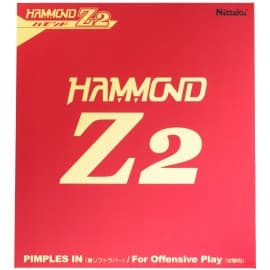
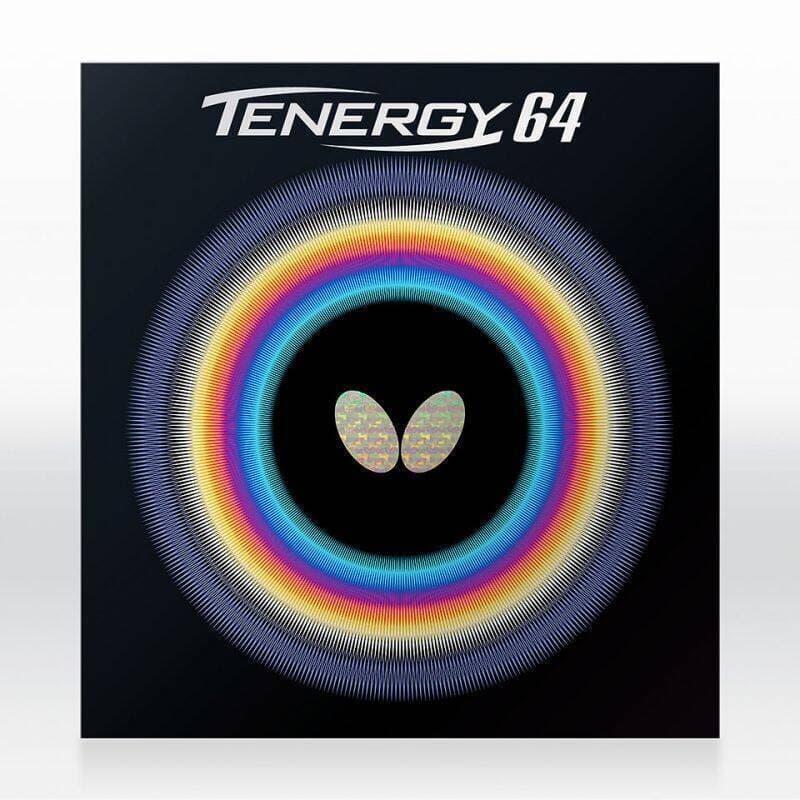
Hammond Z2 vs Tenergy 64 — different scales, honest comparison
Manufacturer figures
These two manufacturers publish on different scales, so the figures cannot be compared side by side — the denominators differ, and neither can be called higher. Each is shown separately with its own scale.
What actually differs
Both are tension rubbers tuned toward speed, which is why they often end up on the same shortlist. Their official figures, however, cannot rank them.
Nittaku publishes speed and spin without stating the maximum of its scale; Butterfly states 0–100. Comparing numbers with different denominators is meaningless, and converting one to the other would assert something the manufacturer never claimed. That is why this site does not chart them together.
On specification, Hammond Z2 is the firmer of the two. A firmer sponge asks for more swing speed and returns more power when you supply it.
The price gap is clear: Tenergy 64 carries Butterfly’s top-line pricing and Hammond Z2 sits below it. On a wing that wears rubber quickly — typically the backhand — that difference compounds over a year.
Hammond Z2
| Surface type | Inverted |
| Tackiness | Non-tacky |
| Sponge hardness | 40° (50° German scale) |
| Thickness options | MAX / Extra thick (1.9-2.1mm) / Thick (1.7-1.9mm) / Medium (1.4-1.7mm) |
| Colours | Red / Black |
| Made in | Japan |
Tenergy 64
| Surface type | Inverted |
| Tackiness | Non-tacky |
| Sponge hardness | 36 |
| Thickness options | 2.1 / 1.9mm |
| Colours | Red / Black |
| Made in | Japan |