
Blade & Rubber Pairings
A blade and its rubbers are not chosen separately — they are chosen together. Here are recommended specs by level and style, with real products to match.
Before you pair anything
Go thinner and softer on the backhand
Using the same rubber on both sides is really only common at beginner level. The backhand has a shorter swing, so it cannot fully load a thick, hard rubber.
Tacky forehand, tension backhand
The basic shape of the Chinese style. The forehand generates spin through tack, while the backhand uses the rubber's own rebound to compensate for a shorter swing.
Grade first, numbers later
The speed grade (ALL/OFF) and ply construction matter far more than any spin or speed number. Give a beginner an OFF++ blade and the ball sails long regardless of skill.
Hardness only if the power is there
Without enough power the ball never sinks into a hard sponge — it simply bounces off. This is the single most common beginner mistake.
Two sheets change the whole racket
A rubber sheet weighs 45-70g. Put heavy rubbers on both sides and the same blade becomes a completely different object.
Pairings by level and style
The spec matters more than the product. Any product matching the spec below will do, whatever the brand.
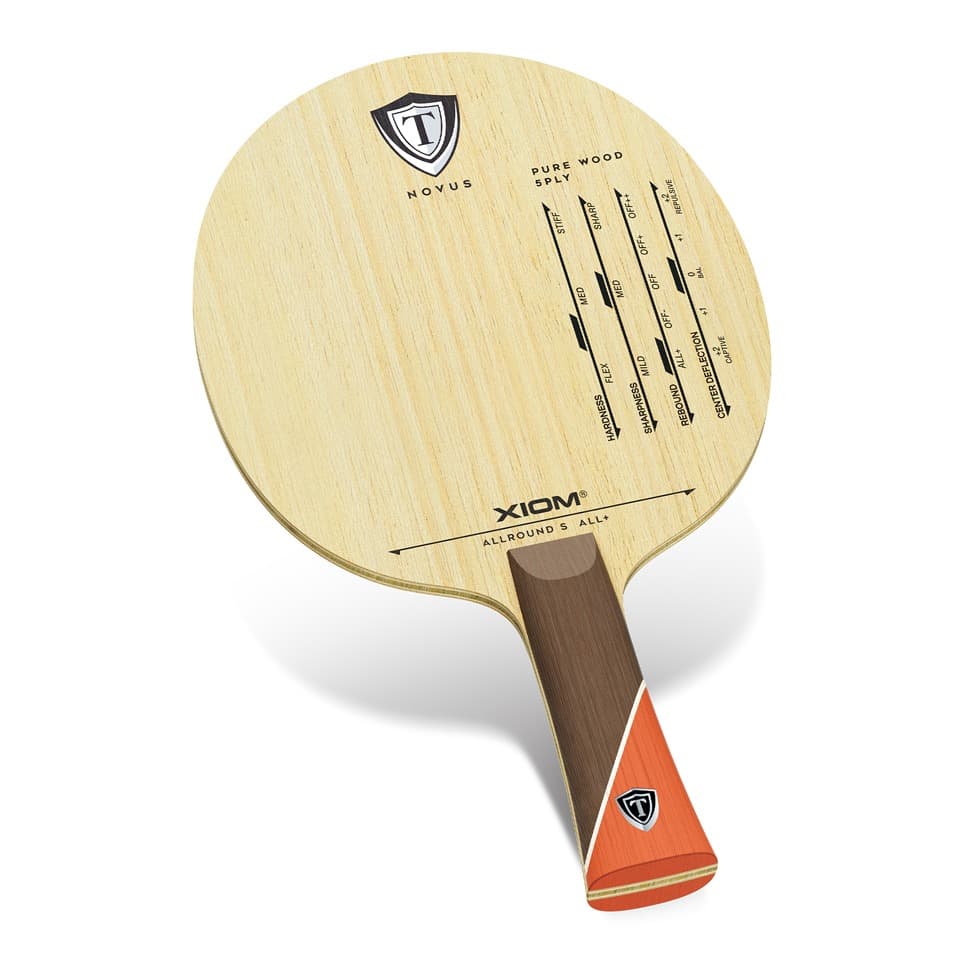
Getting the ball on the table comes first. A low-throw 5-ply all-wood blade with a soft tension rubber, the same on both sides.
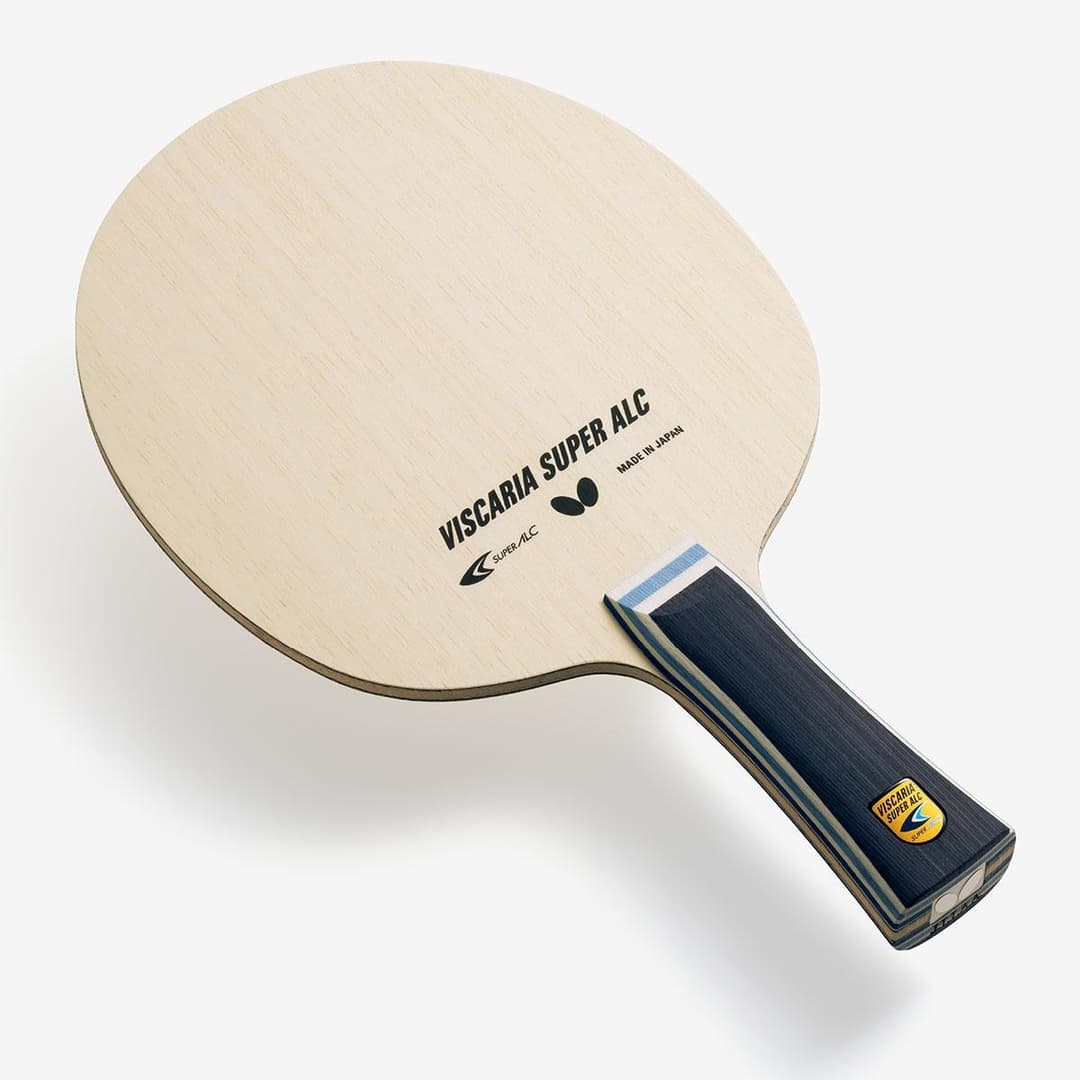
Blades matching this spec
Forehand rubber
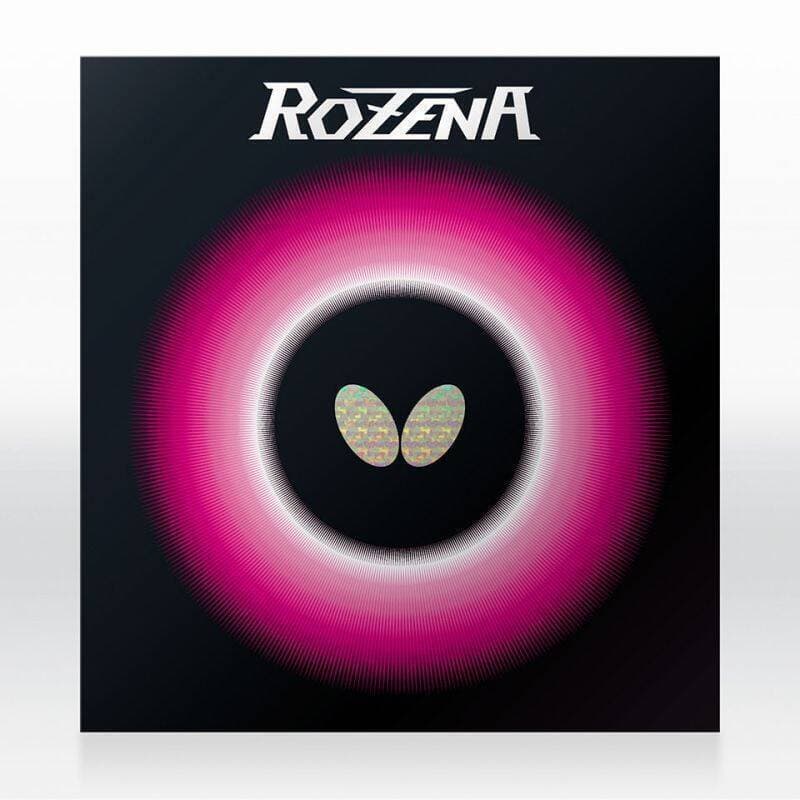
Backhand rubber
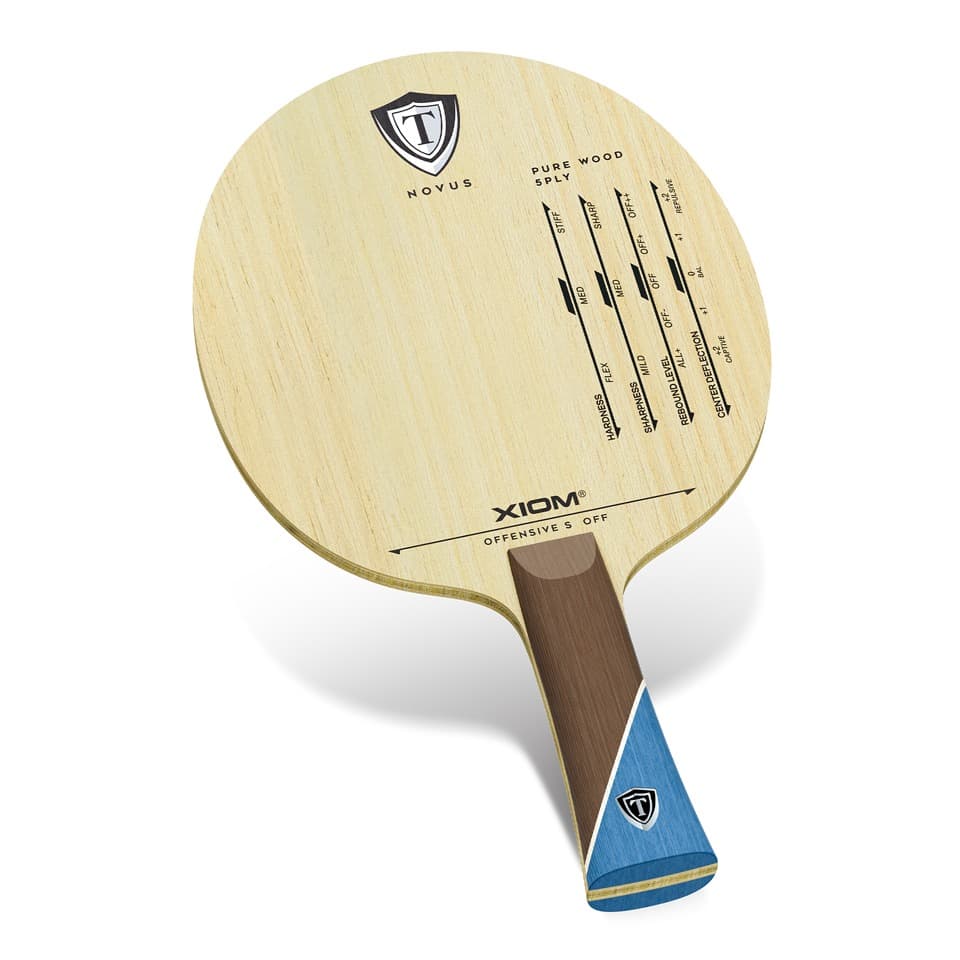
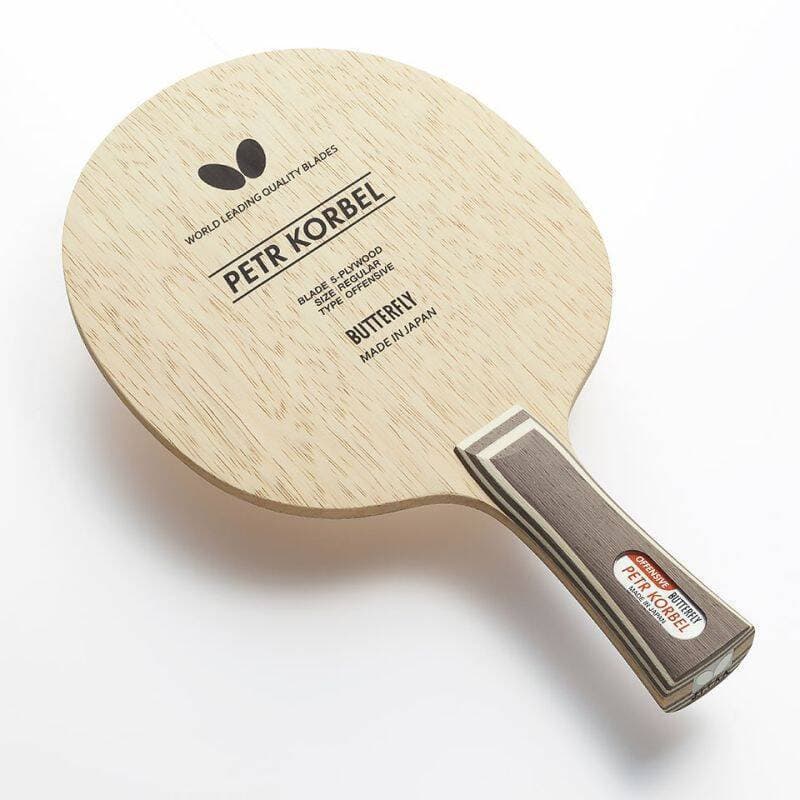
Still all-wood, but one grade faster. The rubber goes slightly harder too, giving room to work the ball.
Blades matching this spec
Forehand rubber
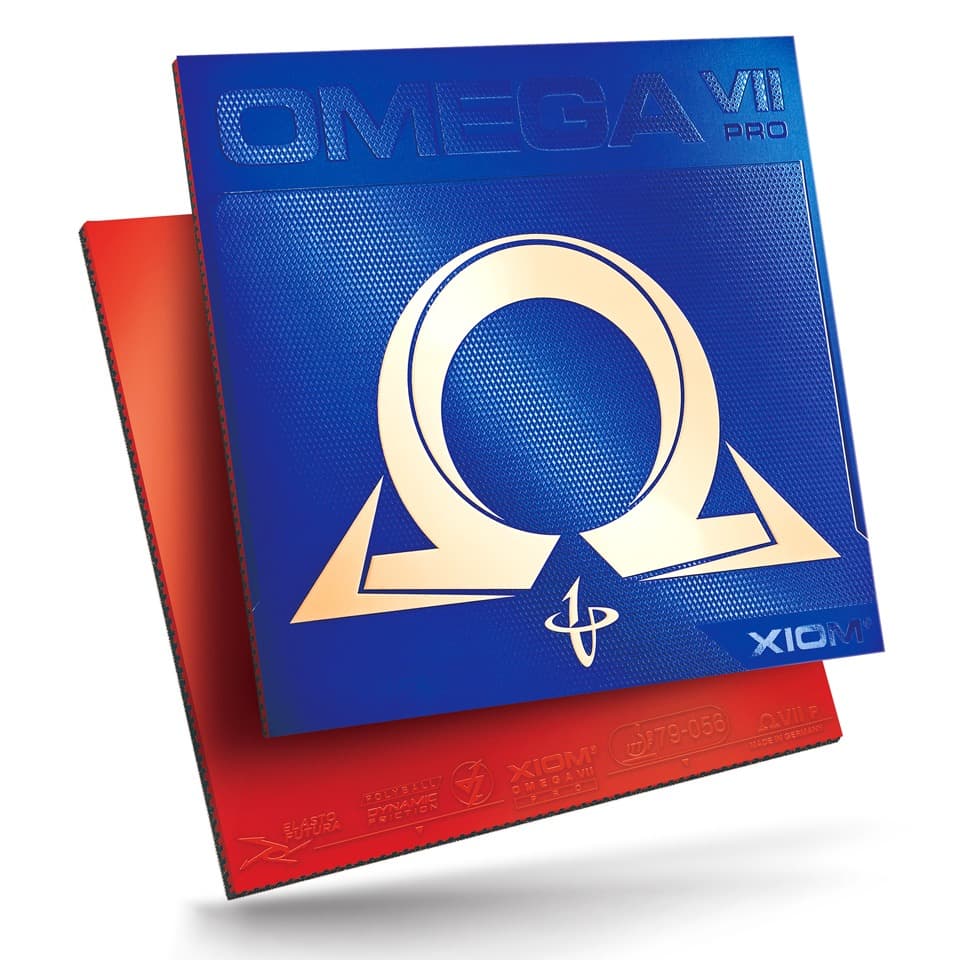
Backhand rubber
Carbon, but inner. The ball is held for a moment before release, so the feel survives. Go one step softer on the backhand.
Blades matching this spec
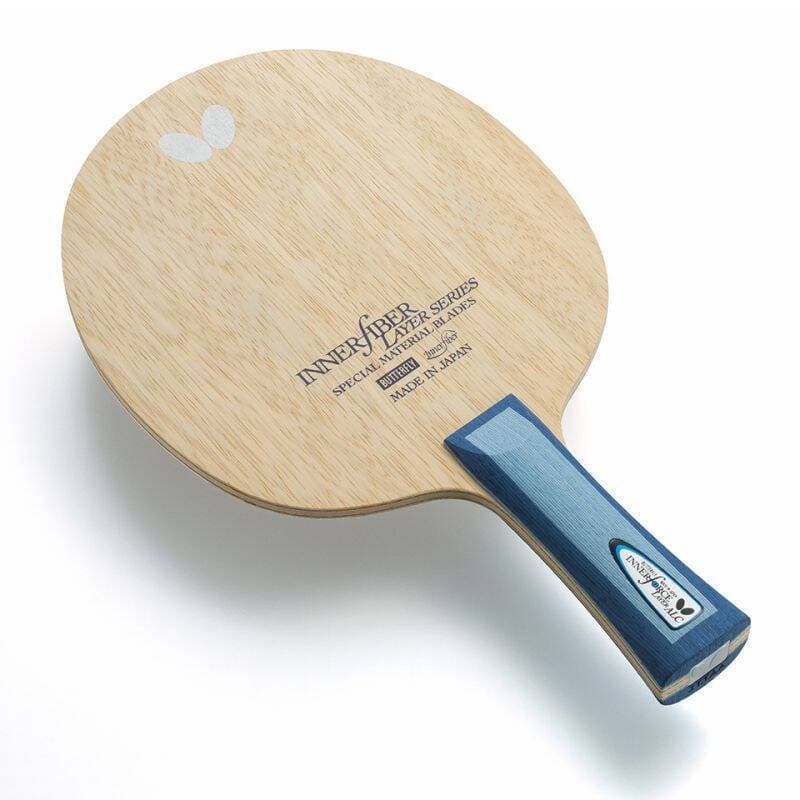
Forehand rubber

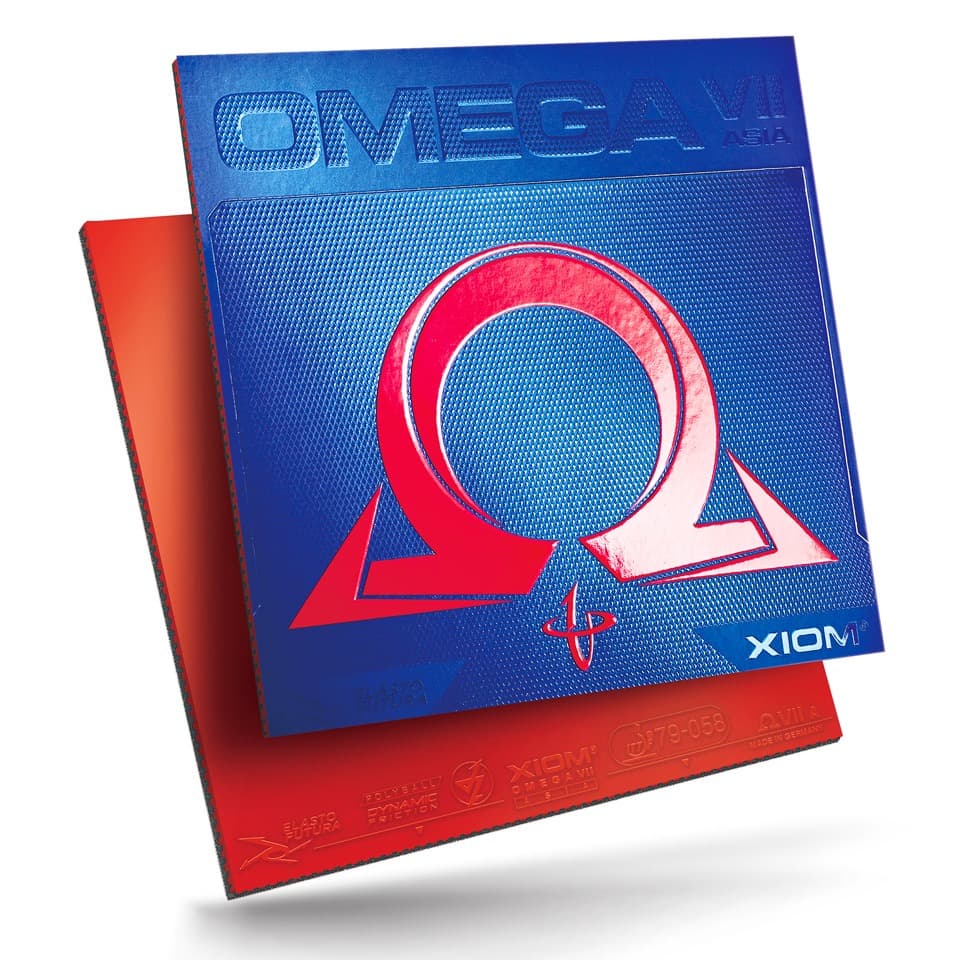
Backhand rubber

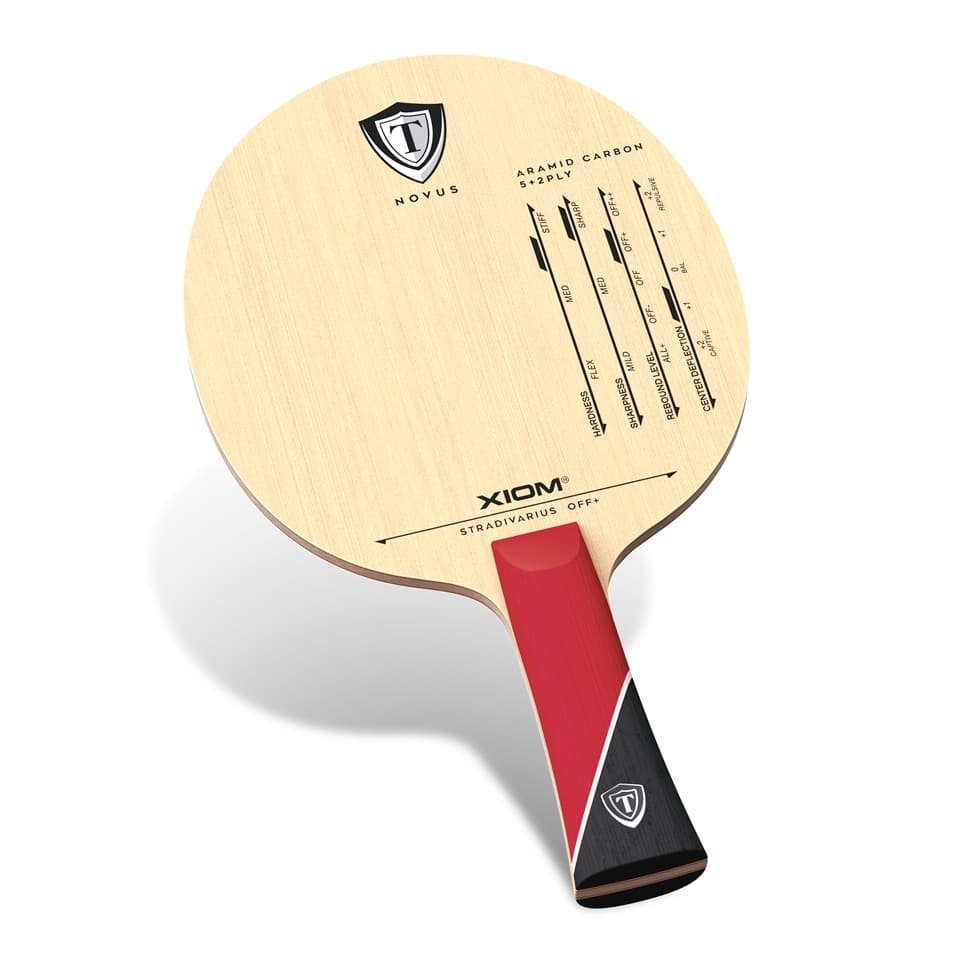
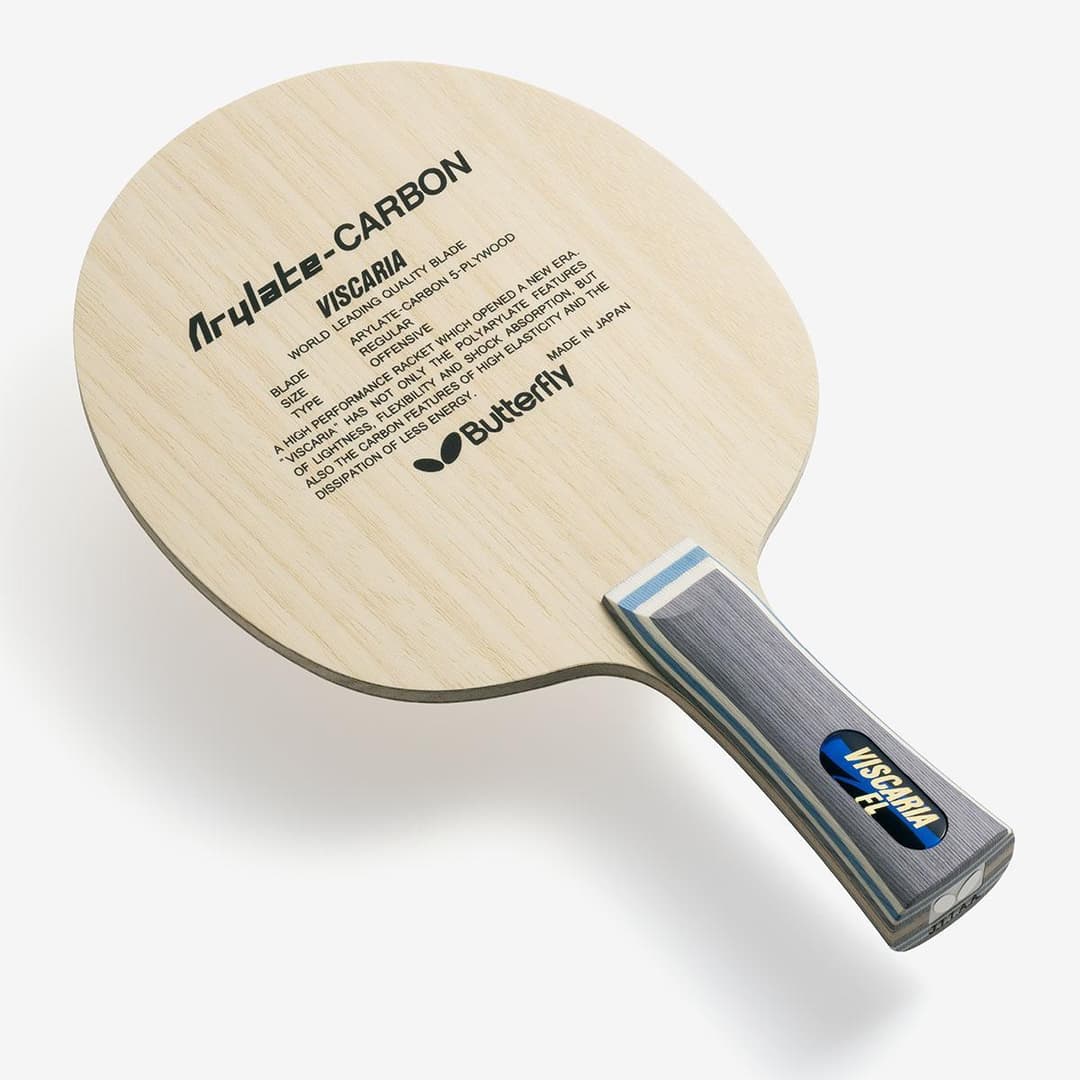
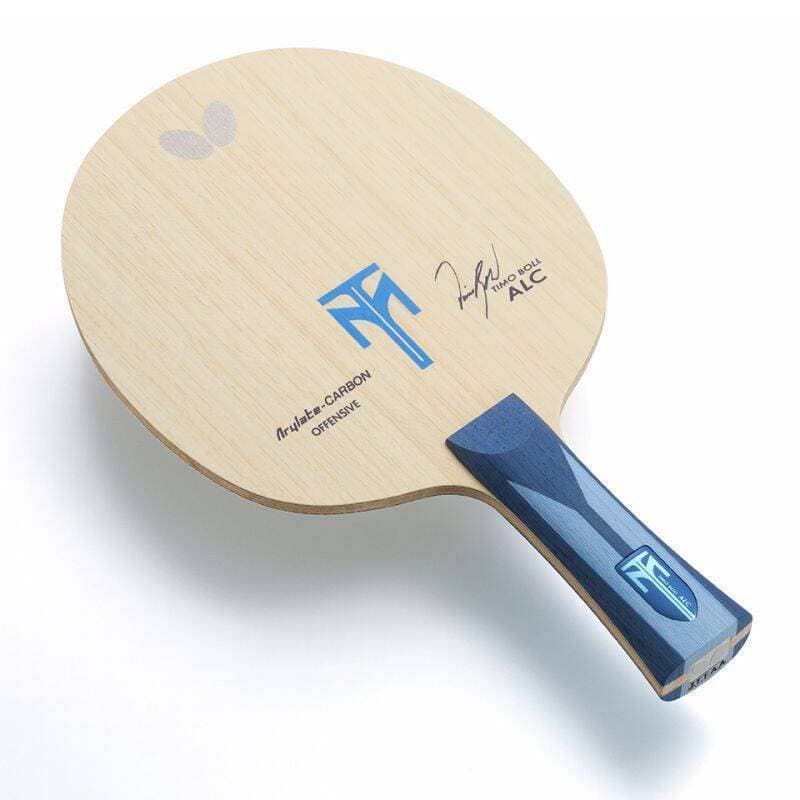
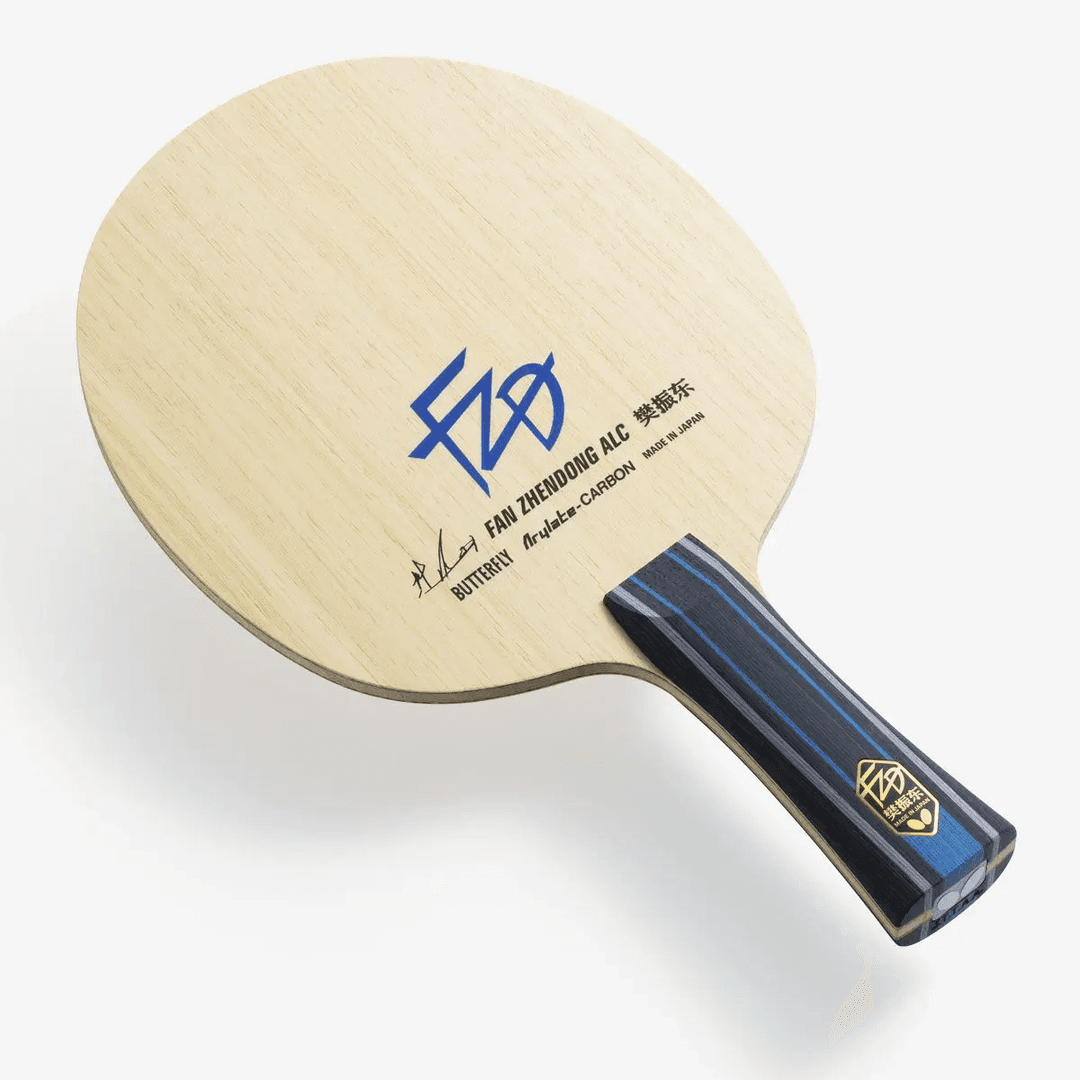
Outer carbon, so the rebound is immediate. The margin for error shrinks, which means the swing has to be finished.
Blades matching this spec
Forehand rubber

Backhand rubber
Tacky on the forehand, tension on the backhand. Tacky rubber has little rebound of its own, so the swing has to supply the power.
Blades matching this spec
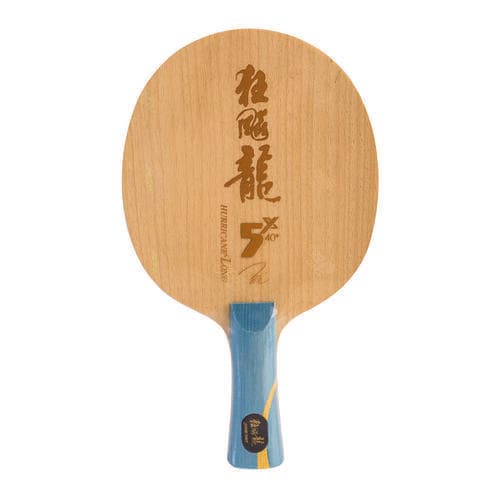
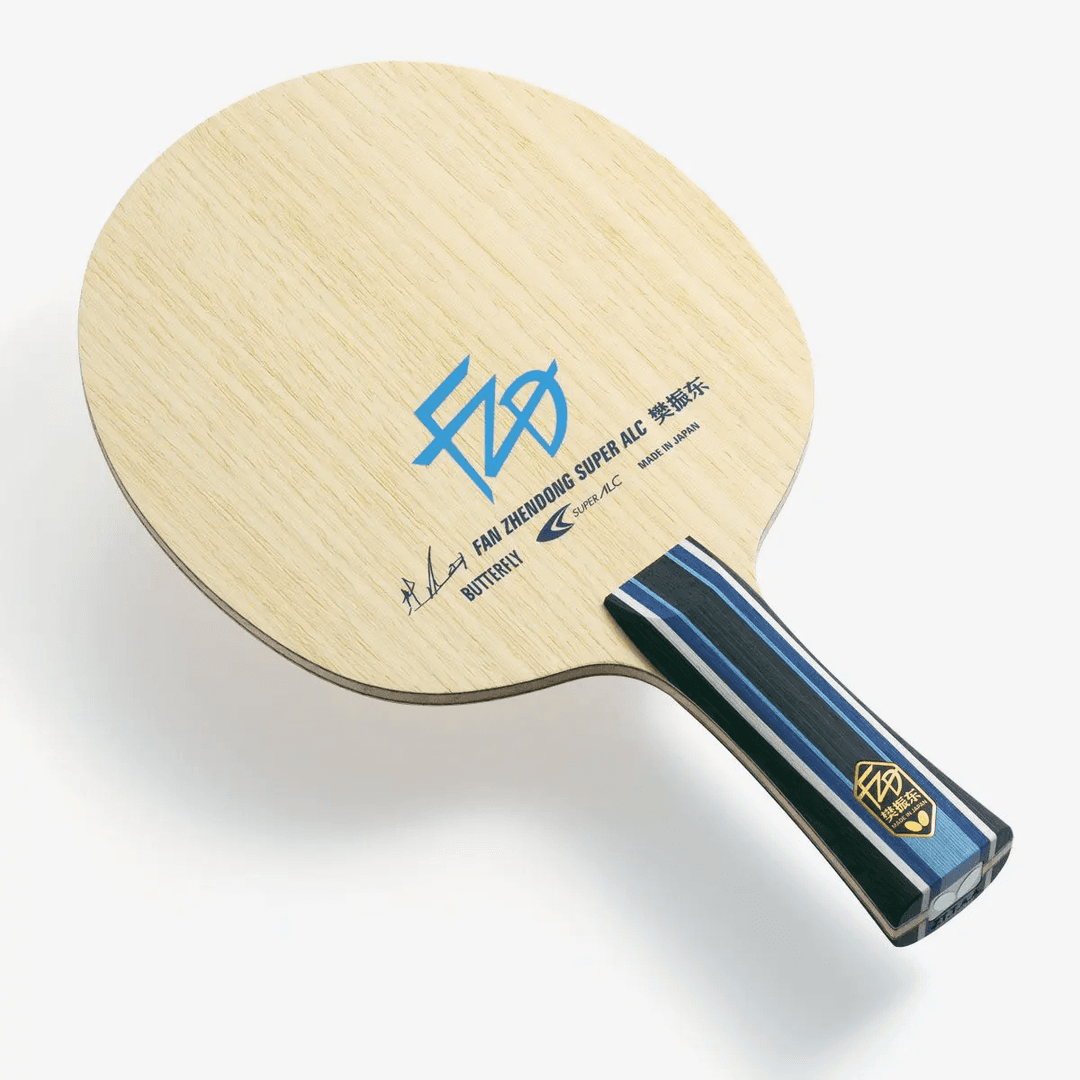
Forehand rubber
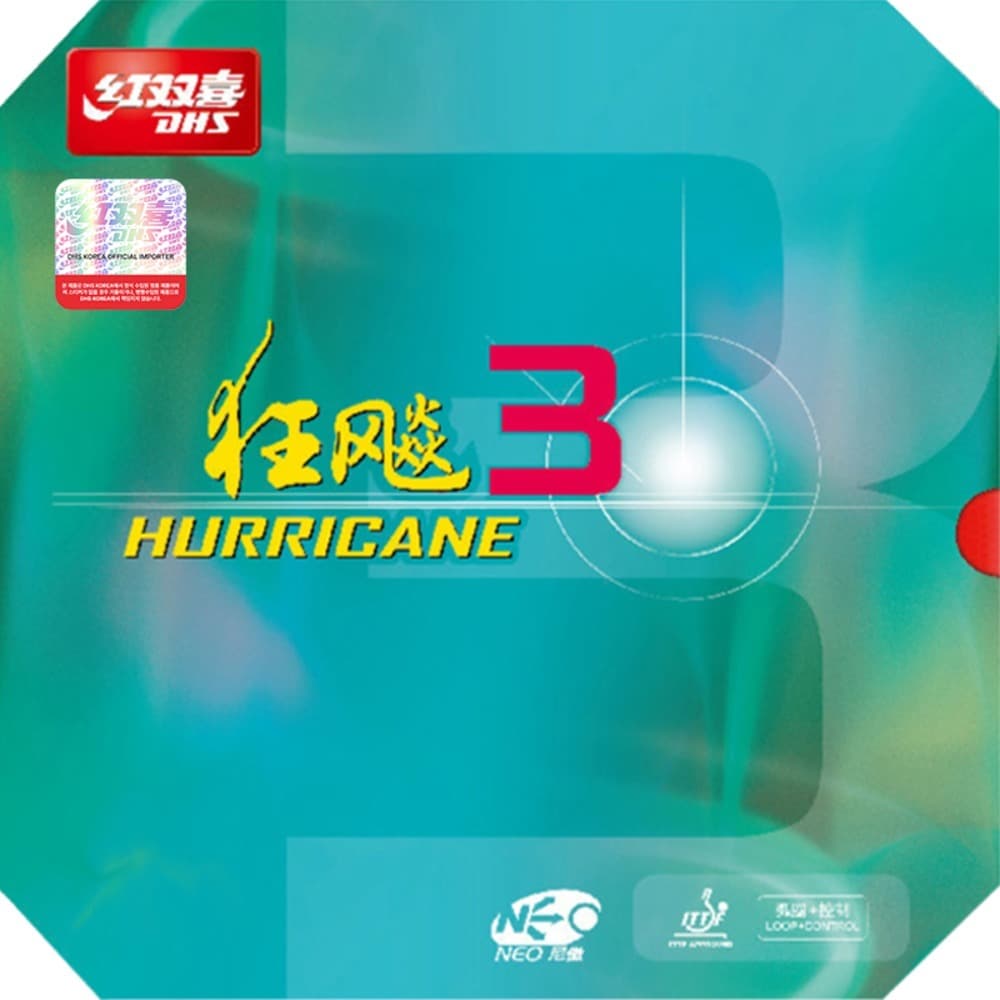

Backhand rubber
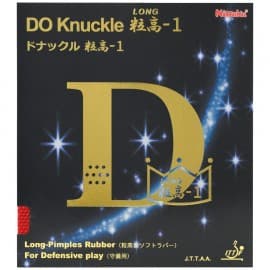
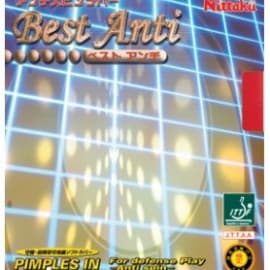
A thin, light ply construction with the rebound deliberately killed. Long pips or anti on the backhand is the standard answer.
Blades matching this spec
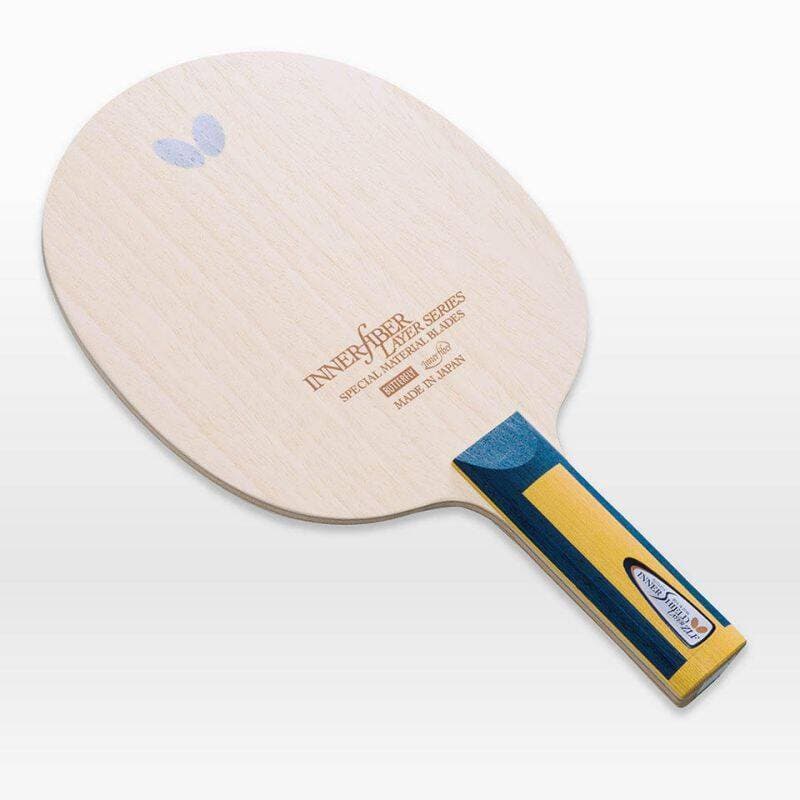
Forehand rubber
Backhand rubber
What the pros actually use
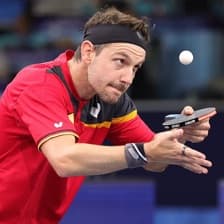
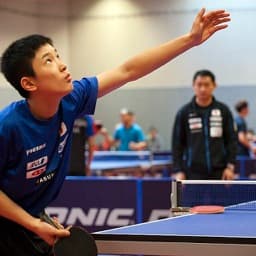
The setups of world-class players. Most use outer or inner carbon with a firmer rubber on the forehand.
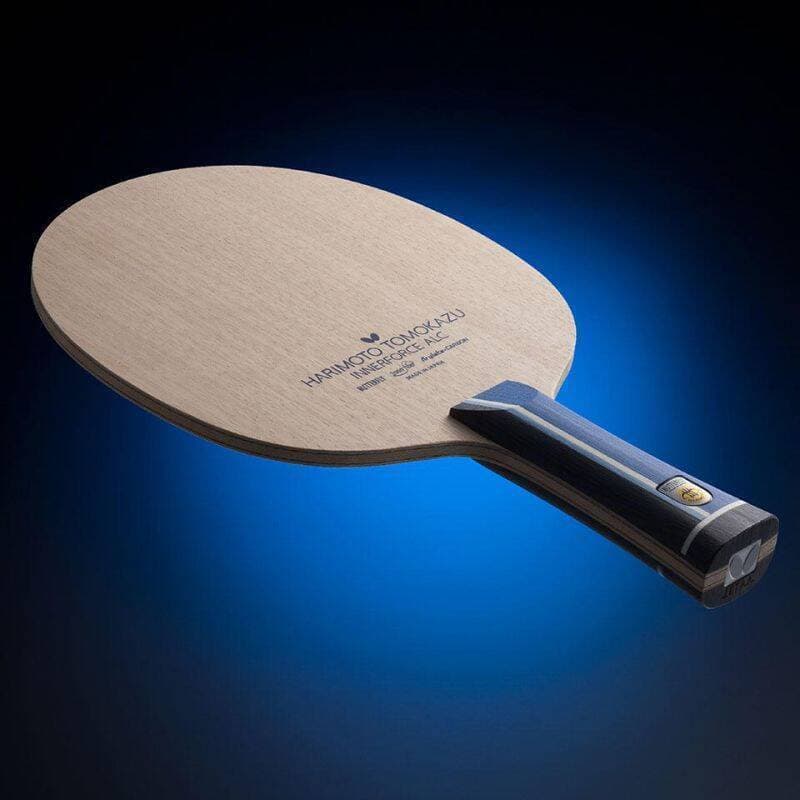
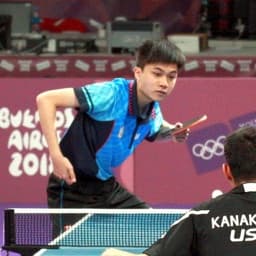
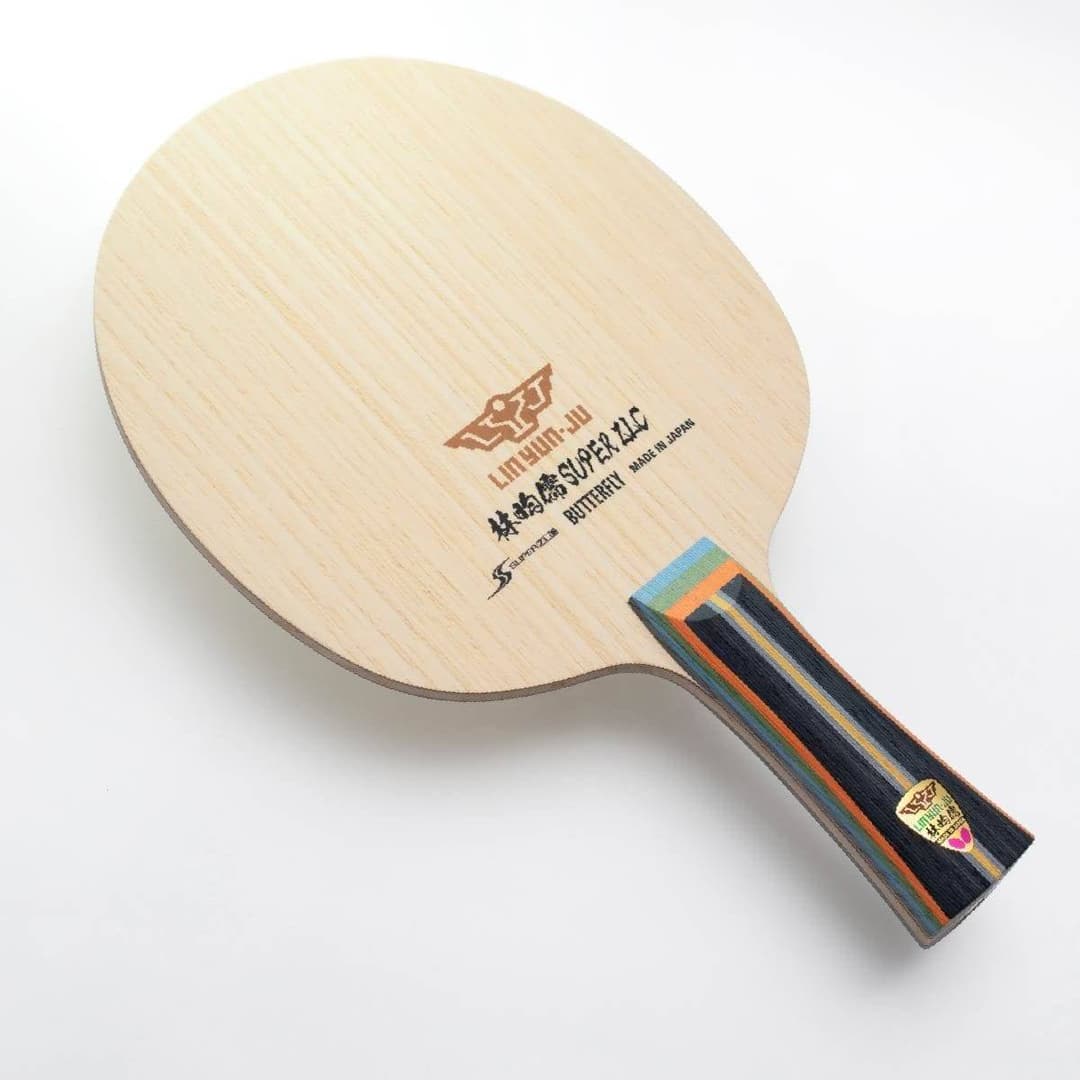

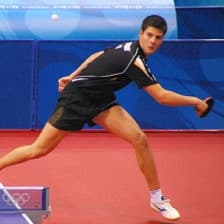
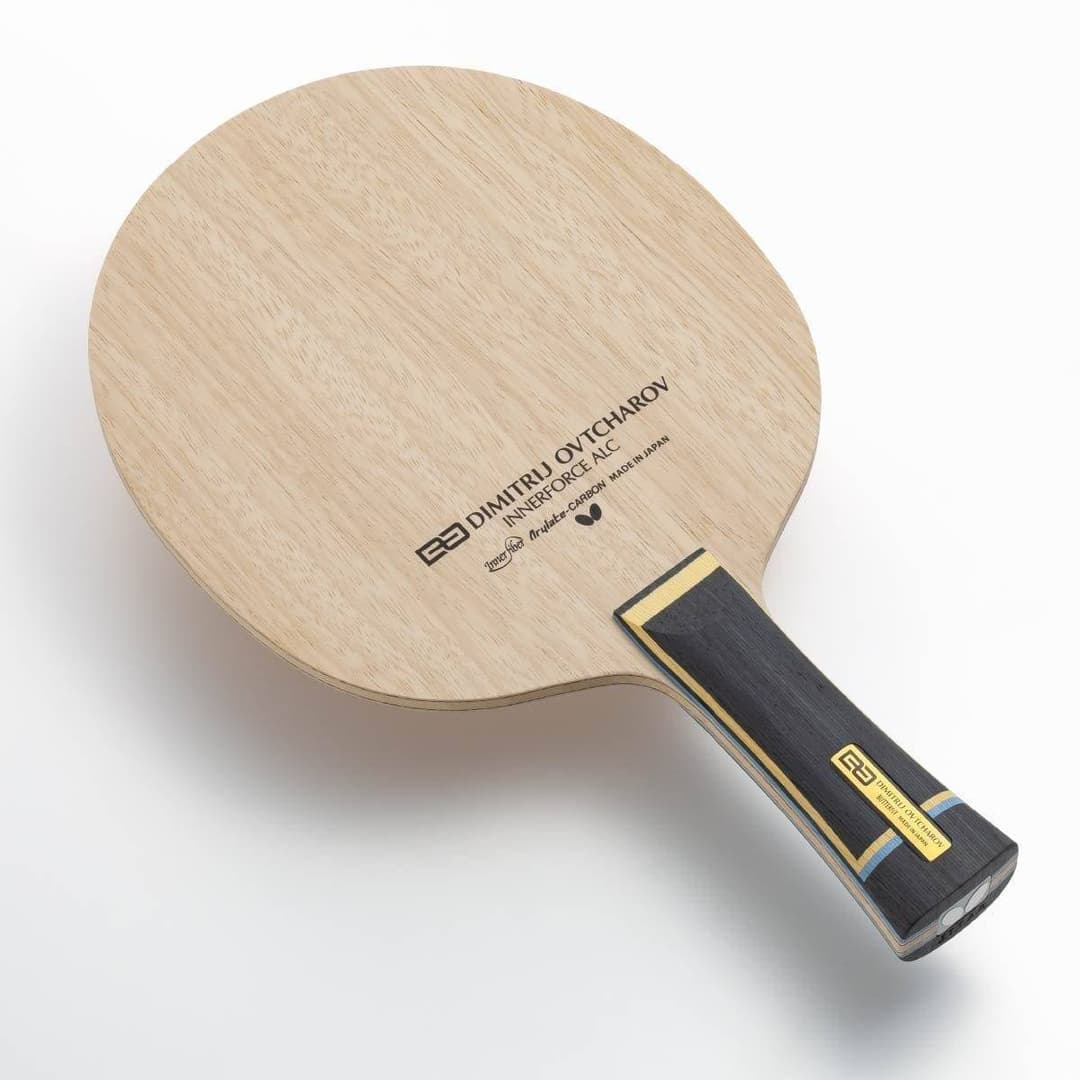
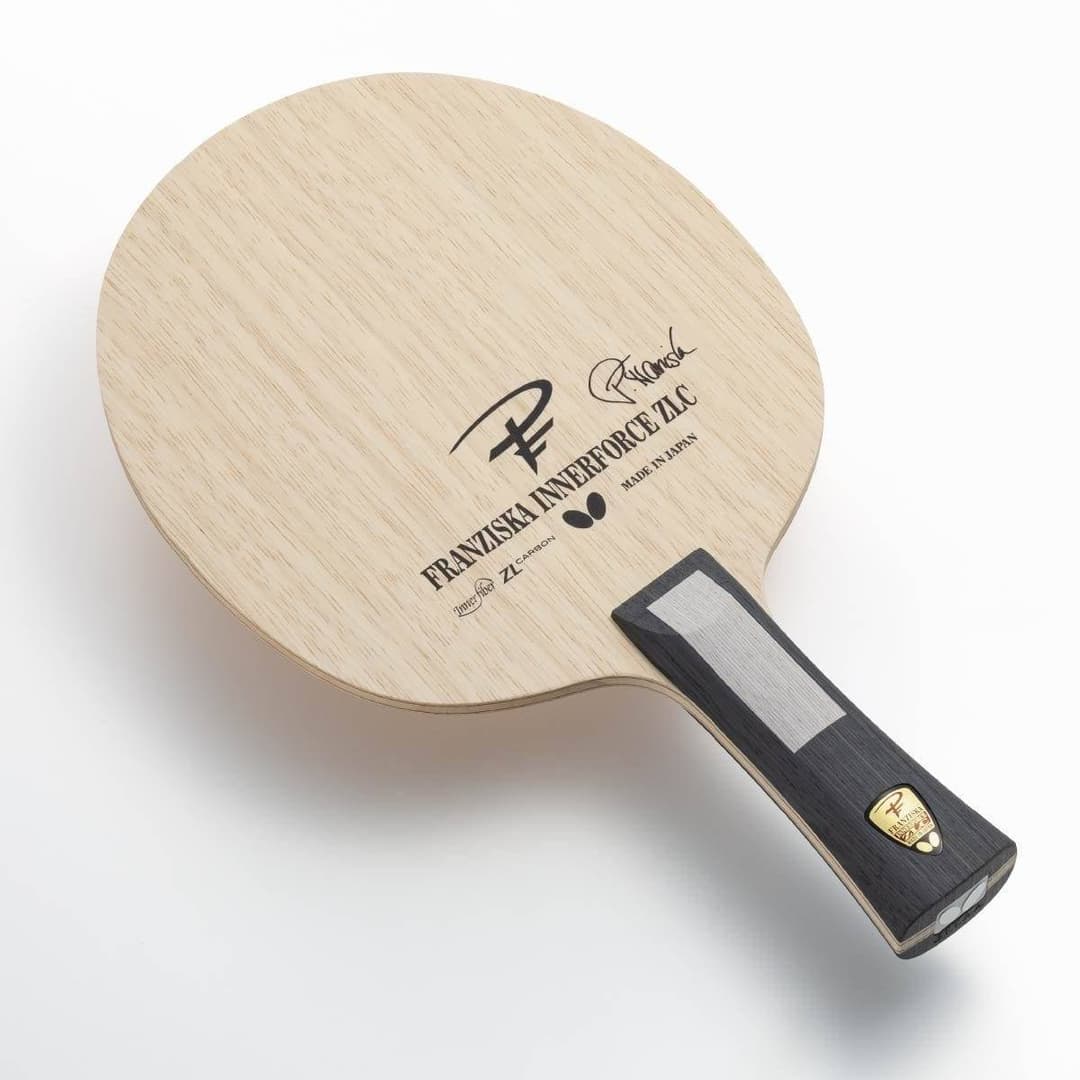
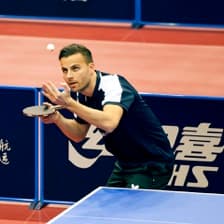
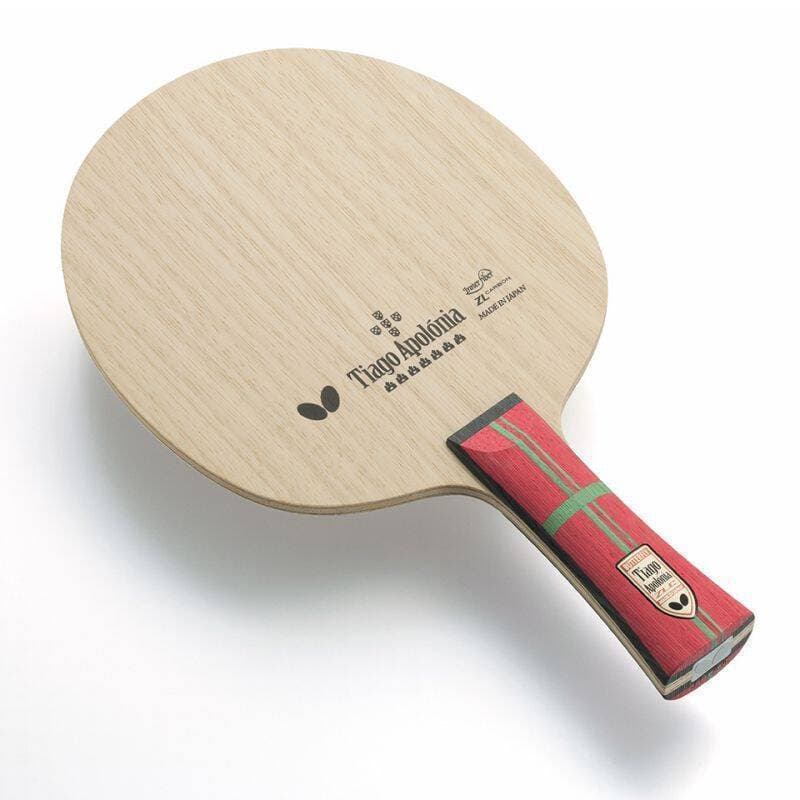
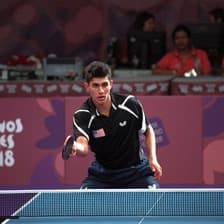
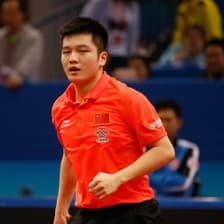
DHS Hurricane 3 National (Blue Sponge)
not carried
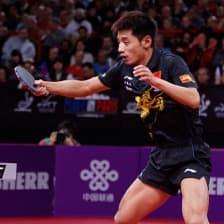
Adriana Diaz
Puerto Rico
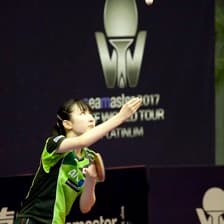
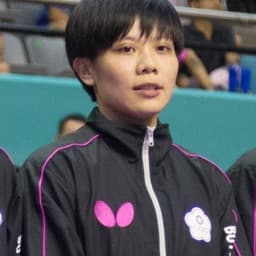
Player photos: Wikimedia Commons — Sandro Halank, Dacoucou, Granada, Stefan Brending (2eight), Peter Porai-Koshits, Marcus Cyron, Pierre-Yves Beaudouin, XIAOYU TANG, 中華民國總統府 (CC BY-SA / CC BY)