
Mizutani Jun ZLC vs Super ZLC — the top of the range
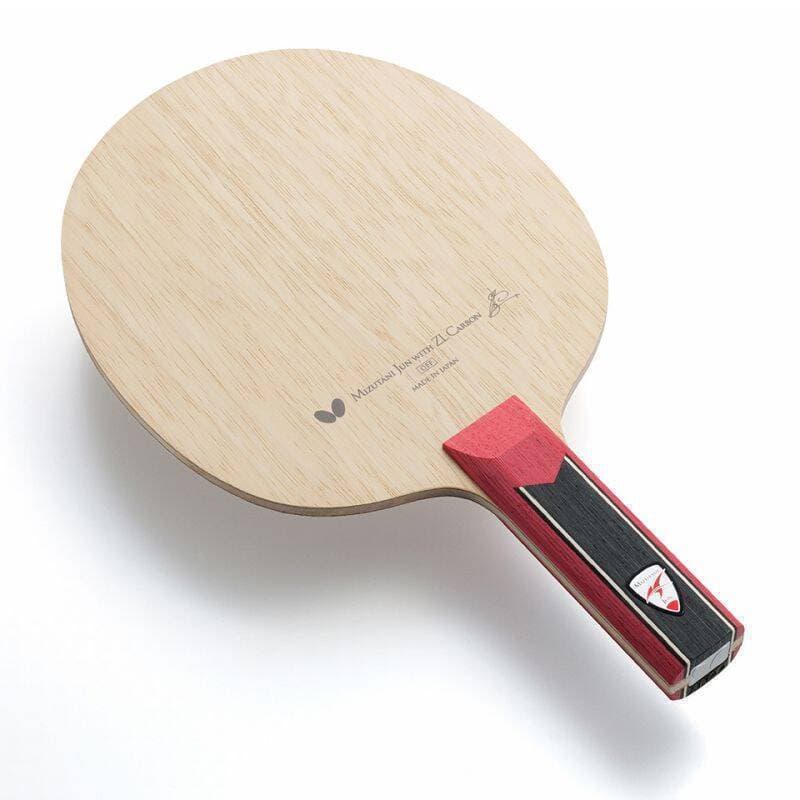
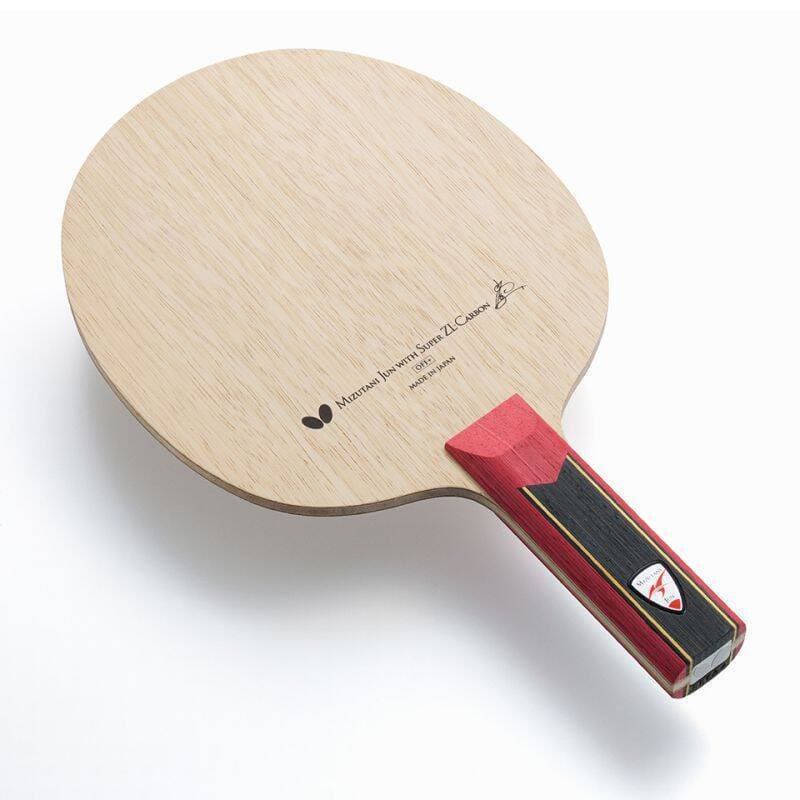
Manufacturer figures
Butterfly official, 1-15Both products use the same manufacturer scale, so these figures can be read side by side.
What actually differs
This is the difference between ZL carbon and Super ZL carbon. Both blades are five-ply; only the carbon grade changes.
On the official figures Super ZLC is higher in both reaction and vibration. Its reaction sits near the very top of Butterfly’s 45 blades, and vibration rises with it — it throws harder and speaks louder in the hand.
That combination narrows the audience considerably. With reaction at the top of the range, everything that keeps the ball on the table has to come from the stroke, and high vibration passes on the information from mishits as faithfully as from clean contact. This assumes a settled, advanced swing.
The price gap is large as well. Both sit in Butterfly’s upper tier and Super ZLC is above that again. It is a step to consider once repeat accuracy is already there — not because power is missing.
Jun Mizutani ZLC
| Playing style | Offensive |
| Grip type | Shakehand |
| Construction | 5-ply + 2 ZL-Carbon plies |
| Carbon position | Outer |
| Plies | 7 |
| Blade size | 157 × 150mm |
| Thickness | 5.7 mm |
| Weight | 85 g |
| Handle types | FL, ST |
| Made in | Japan |
Jun Mizutani Super ZLC
| Playing style | Offensive |
| Grip type | Shakehand |
| Construction | 5-ply + 2 Super ZLC plies |
| Carbon position | Outer |
| Plies | 7 |
| Blade size | 157 × 150mm |
| Thickness | 5.6 mm |
| Weight | 90 g |
| Handle types | FL |
| Made in | Japan |