
Fastarc G-1 vs Tenergy 05 — why the numbers can’t be compared
Manufacturer figures
These two manufacturers publish on different scales, so the figures cannot be compared side by side — the denominators differ, and neither can be called higher. Each is shown separately with its own scale.
What actually differs
One thing has to be settled first: the official figures for these two cannot be compared side by side.
Butterfly publishes rubber performance on a 0–100 scale. Nittaku publishes speed and spin but does not disclose the maximum of its scale. A number without a denominator cannot be ranked against a number out of 100. So this page does not plot them on one chart; each is shown separately with its own scale stated.
What can be compared is the physical specification. Both sponges sit in the high 30s for hardness. Both are tension rubbers built around spin, and both ask you to compress the sponge with the stroke.
The practical difference is price: Fastarc G-1 is noticeably cheaper. Tenergy 05 has been a reference point for years, but whether it is worth paying that every time is a question of replacement cycle. Rubber is a consumable, and how often you change it decides the real cost.
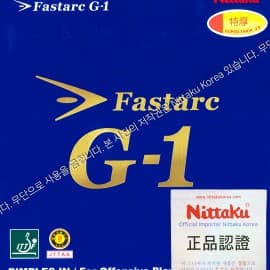
Fastarc G-1
| Surface type | Inverted |
| Tackiness | Non-tacky |
| Sponge hardness | 37.5° (47.5° German scale) |
| Thickness options | MAX / Extra thick (1.9-2.1mm) / Thick (1.7-1.9mm) / Medium (1.4-1.7mm) |
| Colours | Red / Black |
| Made in | Germany |
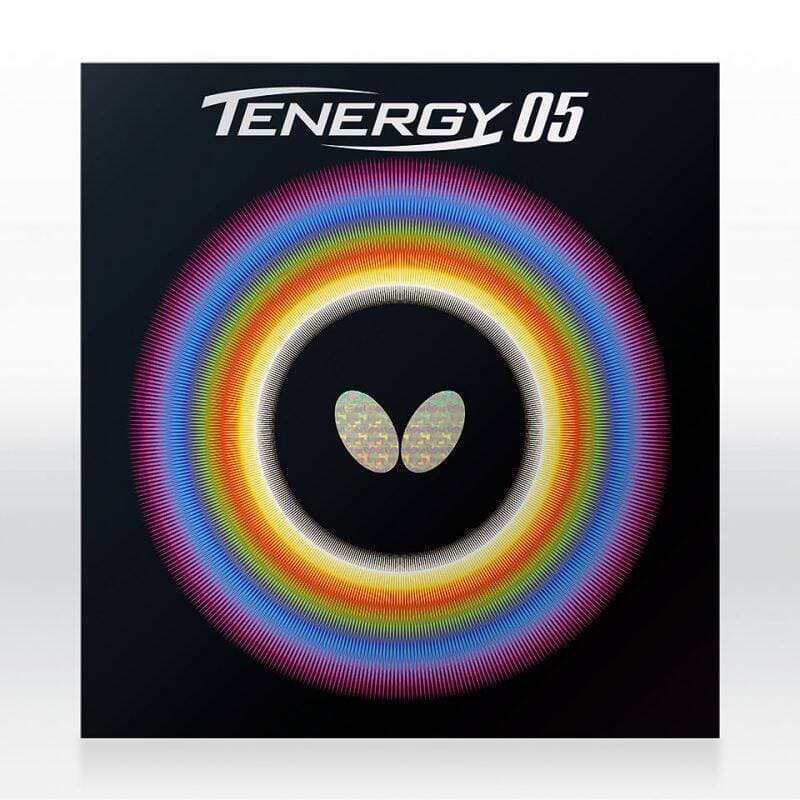
Tenergy 05
| Surface type | Inverted |
| Tackiness | Non-tacky |
| Sponge hardness | 36 |
| Thickness options | 2.1 / 1.9mm |
| Colours | Red / Black |
| Made in | Japan |